
"Indian coffee tasting"
3000 article(s) found

Is there coffee beans grown in India? Indian wind stains Malabar coffee flavor characteristics
Professional coffee knowledge exchange More coffee bean information Please pay attention to coffee workshop (Weixin Official Accounts cafe_style) Front Street-India Wind Stain Malabar Coffee Introduction India Climate The ideal climate conditions for coffee bean growth are temperatures between 2 - 3 and 28 degrees Celsius, rainfall between 1.5 and 2.0 meters, and a dry season of 2-3 months after the rainy season. Cold temperatures near freezing point are not suitable for conditions

Indian coffee beans need three to four months of wind soaking, green beans will increase by 2-3 times
Professional coffee knowledge exchange More coffee bean information Please pay attention to coffee workshop (Weixin Official Accounts cafe_style) In fact, India is a country rich in coffee beans. About 250,000 people grow this economic product nationwide. Coffee is suitable for growing in a warm environment. The Tropic of Cancer between North and South is called coffee zone. However, it is afraid that high temperature will damage the characteristics of beans, so most of them are planted in

Indian coffee is slippery and delicious, with even granules.
Consumers are getting used to this, so when steamships shorten the journey time, coffee producers find that consumers still want beans of the same color and taste that are affected by long trips. In order to recreate the flavor of the original coffee, the monsoon process was used. Monsoons occur in southwestern India in May and June every year, so
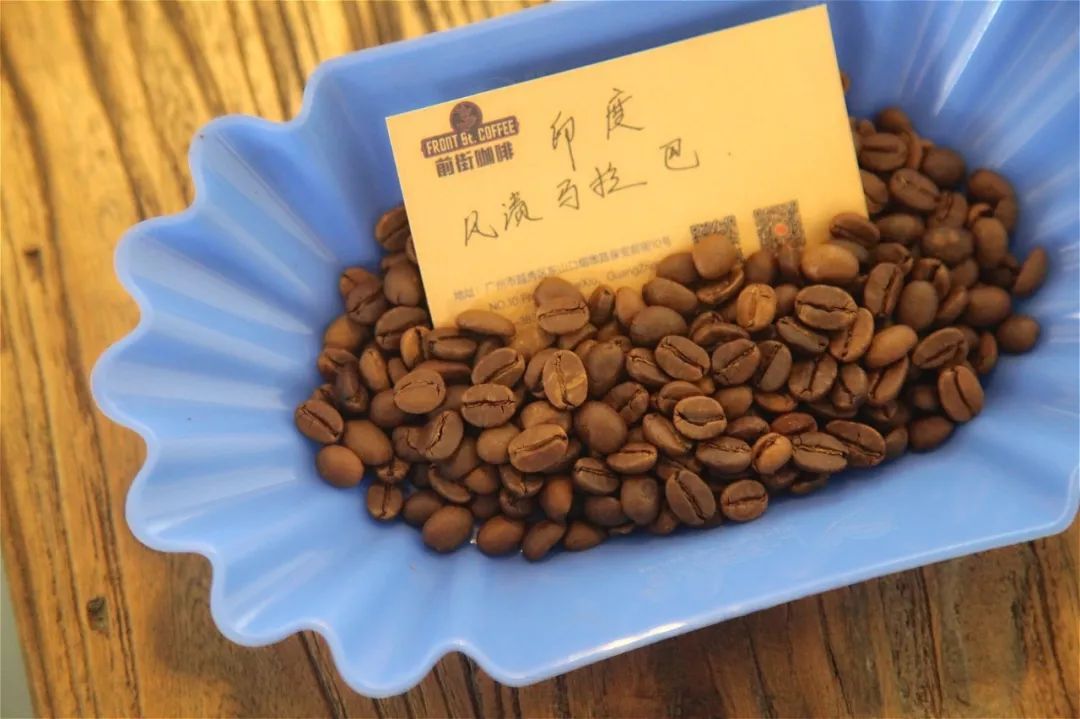
Unique Monsoon treatment-the Story of Indian Monsoon Malaba Malabr
Professional coffee knowledge exchange more coffee bean information please follow the coffee workshop (Wechat official account cafe_style) [monsoon stains Malaba] India Monsooned Malabar country: southern India: Malaba coast in southern India altitude: 1100-1200 m varieties: Kents,S795,Catimor,selection 9 treatment method: wind stain sun treatment method 01

Introduction to the varieties of Indian coffee beans of slippery, delicious, even-grained coffee
In addition to Karnataka, good coffee is grown in Tellichery and Maral in the southwestern state of Kerala, as well as in Nilgiris in the southeastern state of Tamil Nadu, formerly known as Madras. The best Indian coffee is also classified as

Introduction of Indian Coffee
The first coffee was introduced to India in 1670 and was grown in the Babdanjiri region.

Indonesian coffee is very strong, mellow, slightly syrup, excellent acidity and Indian flavor.
On the whole, Indonesian coffee has a strong flavor, mellow taste, slightly syrup flavor and excellent acidity, and its two main export markets are Germany and Japan, which reflects the excellent quality of the coffee. What attracts consumers is the unique quality of its Arabica coffee beans. You can add milk or cream to high-quality Indonesian coffee without worrying about affecting it.

Thalanar Estate, Tabil Nadi Nadi, Val Barai Manor Indian Coffee Flavor
Indian Manor: Thalanar Estate, Tabil Nadi Nadi, Val Barai Village Manor owner: Mr Angamuthu Mudhaliar Family production area: Val Pare varieties: SL9 treatment: washed planting altitude: 1600 m-1700 m flavor: orange acid, spicy taste, thick taste, cocoa aftertaste.

How to drink Indian Bengal Tiger Robusta Coffee beans
Professional coffee knowledge exchange more coffee bean information please follow the coffee workshop (Wechat official account cafe_style) India Royal Robusta, high-altitude manor beans, the legendary royal kaapi royal, Luodou in the best. As a combination of Italian beans, kaapi royal's extremely rich fat can enhance the mellow feel of coffee, especially suitable for making lattes and kapos. The size of 18 mesh

Indian Coffee Hancody Garden washing Micro batch Flavor introduces the most characteristic boutique coffee in India
Professional barista communication please follow the coffee workshop (Wechat official account cafe_style) Product name: India Shenshan Plateau producing area: Karnataka Babudan Jiri Manor: Hancode Hancody Manor treatment: washing method altitude: 1600 meters Flavor description: honey, nuts, rich sweetness originated in 1600, an Indian Muslim Babudan went to Mai

Special topic on Coffee in India | Flavor characteristics and varieties of Indian style-stained Malaba
Professional coffee knowledge exchange more coffee bean information please follow the coffee workshop (Wechat official account cafe_style) [monsoon stains Malaba] India Monsooned Malabar country: southern India: Malaba coast in southern India altitude: 1100-1200 m varieties: Kents,S795,Catimor,selection 9 treatment method: wind stain sun treatment species
What are the characteristics of Arabica coffee grown in India
Professional coffee knowledge exchange more coffee bean information please follow Coffee Workshop (Wechat official account cafe_style) Front Street-about Indian coffee there is very little coffee from Arabica, India, usually there are only two kinds of coffee: wind-stained Malaba and Maso gold bricks. The raw beans of the wind-soaked Malaba are dry, yellow and sweet, but a little monotonous because they are placed in a ventilated warehouse for the Indian Ocean
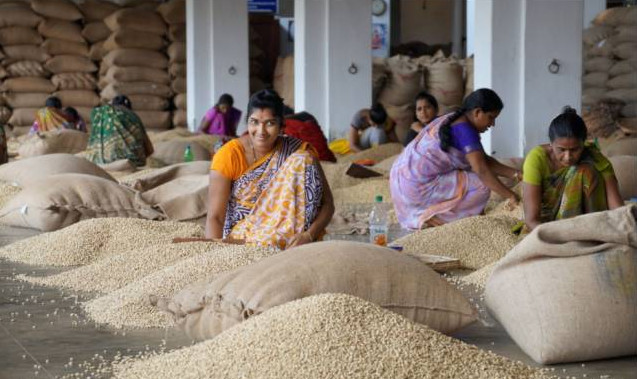
Indian Monsoon Coffee Malabar| Unique monsoon treatment, origin of wind-stained malaba
Monsooned Malabar Country: Southern IndiaRegion: Southern India Malabar Coast Altitude: 1100-1200 m Variety: Kents, S795, Catimor, selection 9 Treatment: Wind-stained Sunlight Treatment 01 Introduction Coffee was brought in by pilgrims as early as the 16th century to establish the first coffee farms. You might not imagine

A unique method of monsoon stain treatment-- an introduction to the producing area and grading system of coffee in India
When it comes to Asian coffee, most people will first think of Mantenin in Indonesia, or Vietnamese coffee, Laos coffee, and Yunnan coffee. However, few people mention that Indian coffee has a long history, and it is also the first country in Asia to grow coffee. It has always had a place in the coffee world, and it is also a major country of global coffee production. Today is small.

Indian Coffee practice and Cultural introduction
Following Cafe (official Wechat account vdailycom) found that opening a small shop of its own can make the delicious milk taste more obvious by adding a little salt. Fill the wide cup and then sip it, you can get infinite warmth in body and mind. [practice] pour milk into the pot and heat it. Add deep-roasted coffee and brown sugar for 10 cc and a small amount of salt before boiling the milk.

Indian online celebrity coffee shop launches exotic new coffee full of edible gold and silver sequins
Professional baristas follow the Coffee Workshop (official Wechat account cafe_style) according to the Daily Mail of November 7, an Indian coffee chain has attracted the attention of customers with its creative cappuccino. They not only sell ordinary coffee, but also add more eye-catching edible sequins to the cappuccino. A few days ago, their new drink, diamond cappuccino.

The Origin of Mysore Nuggets Extra Bold of Moka seed Maisuo Gold Brick in Maiso producing area of India
Exchange of professional baristas Please follow the coffee workshop (Wechat official account cafe_style) Coffee in India: the early Arab autocratic coffee cultivation and marketing, coffee sold to Europe are the only monopoly, coffee seeds and saplings are extremely strict control. In 1670, an Indian Muslim practitioner, Baba Budan, made a pilgrimage to Mecca, Arabia. He was in Moka, Yemen.

The coffee producing area of India: Jinta Manika Hayang Gan Manor in the west of the mountain
The coffee in India is mainly Arabica coffee, while Robbist coffee was introduced at the end of the 19th century and accounted for a certain proportion. Indian Grade A coffee beans are baptized by the monsoon and are rich, smooth and delicious, but have a peculiar spicy taste. A coffee connoisseur once commented that grade A coffee has a taste similar to that of Indonesian aged beans, which may have something to do with their handling.
Fancy coffee making Indian coffee
Only a little salt can make the delicious milk taste more obvious. Fill a wide cup and then sip it, you can get infinite warmth in body and mind. Practice: pour milk into the pot and heat it up. Add deep-roasted coffee with brown sugar 10CC and a small amount of salt before boiling and then stir carefully. Instead of brown sugar, use black sugar and honey also OK.

Indian boutique coffee beans Florence coffee beans
Flores Florence (Flores) is one of the most beautiful islands in the Indonesian island chain, with steep valleys, swift rivers, dense forests and fertile soil. In this hidden island, a small number of high-quality Arabica coffee beans are produced. Full round beans, sweet aroma of caramel, thick and warm taste